Some background information around who I am, the history and the job itself -
I am a Master thatcher specialising in “combed wheat reed”.
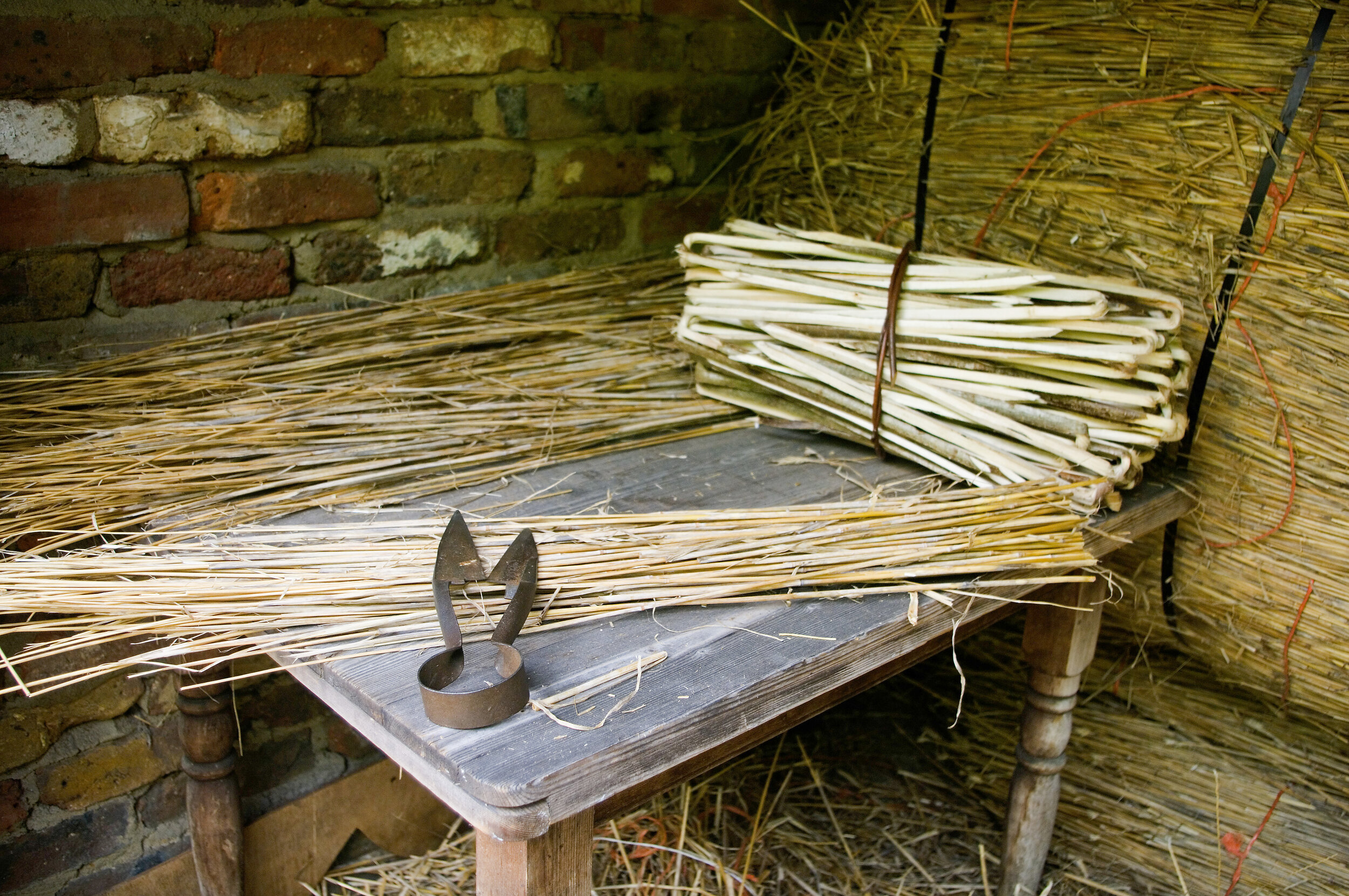
This terminology confuses many people, because despite the word reed, it is in fact straw. Winter grown cereal straw to be precise. NOT to be confused with water reed, which is a different material entirely. The straw is combed as opposed to passing through a threshing machine, leaving the butt ends of the straw all facing the same way.
Wheat, triticale (a cross between wheat and rye) and rye itself are the accepted varieties of straw approved by English Heritage for this type of thatch.
However, rye, once commonly imported from Poland, is now rarely seen or available.
Triticale is favoured by many growers and as a result, is widely used by thatchers. Sometimes viewed as a more modern alternative, however it actually pre-dates some of the so-called “heritage” wheat varieties and has been used both successfully and extensively in thatching for decades.
There are also two other mainstream types of thatching in England, namely water reed (mentioned above) and long straw, but I find there’s little demand for these in the area I work, so I concentrate on combed wheat reed. However, repairs and ridges on these other types of thatch are still something I can (and often do) carry out when required.
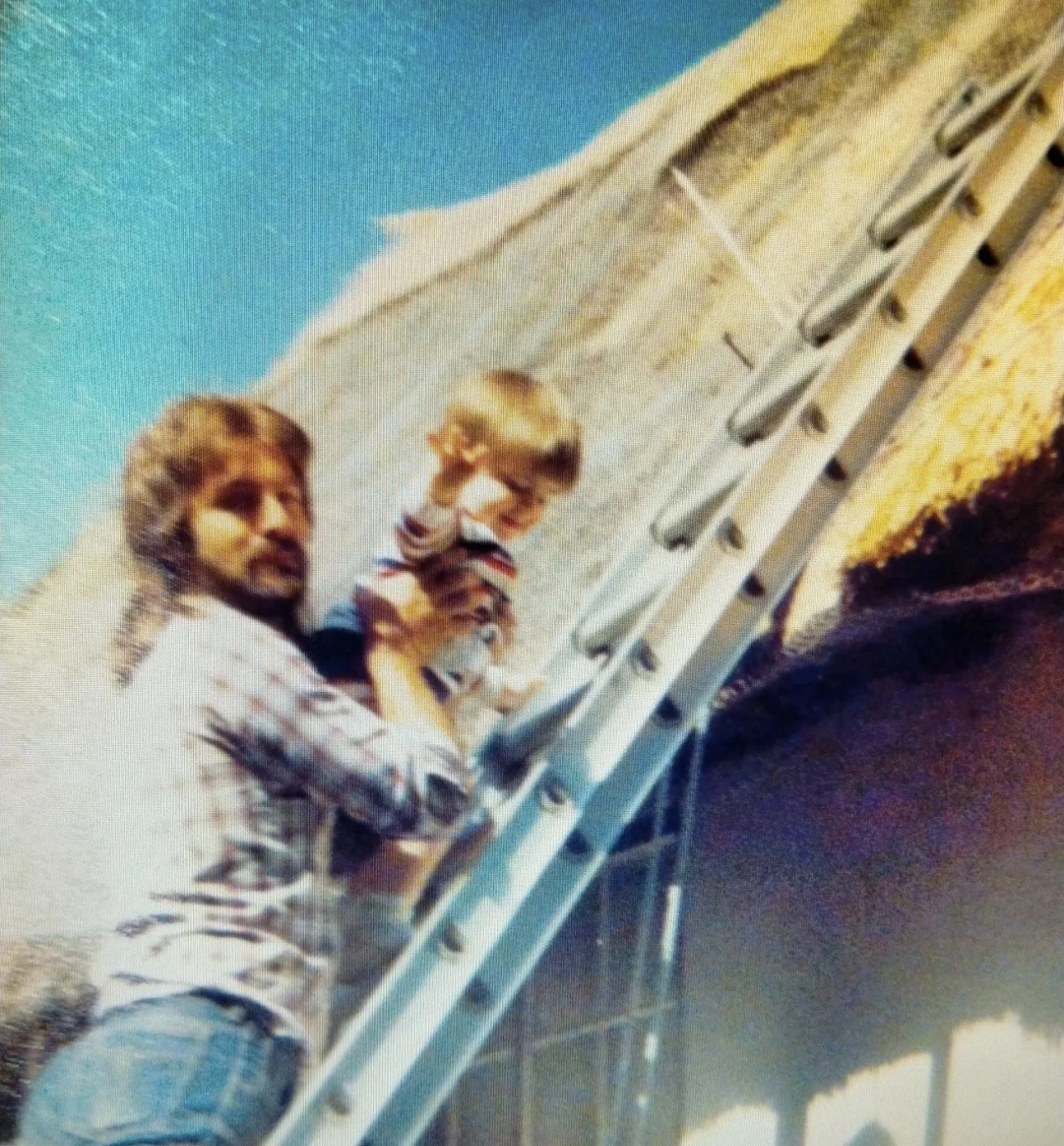
My business started in 2011, after learning the craft from my dad over many years from a young age. Since then I have tried my hardest to continue building on the enviable reputation that the name “Craker” upholds when it comes to thatching in this area.
The surname “Craker” has been associated with thatching for hundreds of years and many members of my family have been thatchers over that time, passing skills and knowledge through generations.
“Craker”, “Badmin”, “Lewis” and “Armstrong” were THE big names for thatching in this area for decades and they’re all related to “Craker” in one way or another.
I believe that between us, we have worked on pretty much every thatched cottage in Buckinghamshire at some point.
The majority of my work is carried out within the county of Buckinghamshire. However, you’ll also see many examples of my work in Oxfordshire and a few in Hertfordshire. Such is the high demand, that I rarely have to travel further than a 20 mile radius of where I live.
I always try to use the highest quality materials available, sourced from trusted and long standing suppliers that my family have used for many years and built up good relationships with, although it must be said a changing climate is making it increasingly challenging to get hold of reliable supplies of good quality, good length straw.
Supplies are running short year on year at present. This changing weather is affecting everything from doing the job itself to adapting to working with the materials available to you.
I believe I offer the most traditional styles of thatching suited to this area. I focus most of my attention on existing thatched buildings, the majority of which are listed. These must be maintained on a like-for-like basis unless permission is sought for change. For example, if your roof is currently combed wheat reed with a flush-type ridge, then that is what it must be replaced with. Decorative block-cut ridges, although now popular and desired by many due to their “chocolate box” appearance, are not traditional, however a like-for-like replacement cannot be denied.
When re-thatching in combed wheat, initially the roof is stripped to a suitable base thickness of thatch before the new “spar coat” is applied. This removal and subsequent disposal of material is a significant and important part of the job often overlooked. If this isn't being done by your thatcher then question why that's the case.
Rarely is all the thatch removed, but there are important reasons why it's not adequate to just keep adding layers indefinitely. Historic base layers of thatch will be retained wherever possible and it’s usually just the top weathered coat that is removed. In most cases the initial layer of thatch will be as old as the property itself, secured to the original roof structure using tarred cord.
If still in place and the timbers are known to be sound, it will be encouraged that these historic layers are also left visible at both the eaves and barges.
All too often these have been stripped out and replaced with new material. Occasionally this is necessary, but in the majority of cases it’s simply done to give the impression of a completely new single layer thatch, sacrificing irreplaceable heritage in the process. Traditionally, in this area at least, the base layers were always left visible.
The decorative hazel used in my work is, when possible, cut locally and handmade, either by myself or my dad, who’s had permission to cut in the local Chiltern woodland for decades.
Bear in mind that thatching work regularly takes several weeks or months to complete, even if it's “just a ridge”, so if someone's come along telling you significant work is only going to take a few days and that they can carry out the work imminently, then I would say do your research as to why that is. The majority of reputable thatchers are booked with waiting lists for at least a year or two ahead at any given time.
All thatching work is completed by myself with the assistance of my dad, who has been a thatcher in this area since the 1970s.
I always try to complete a job as if I were completing it on my own property.
I have public liability insurance covering both myself and my dad, as well as being a registered upper tier waste carrier with the Environment Agency (CBDU201560) to legally remove and dispose of waste.
Please contact me to enquire about where you can see examples of my recent work, or to see where I am currently working and I will be happy to show you.
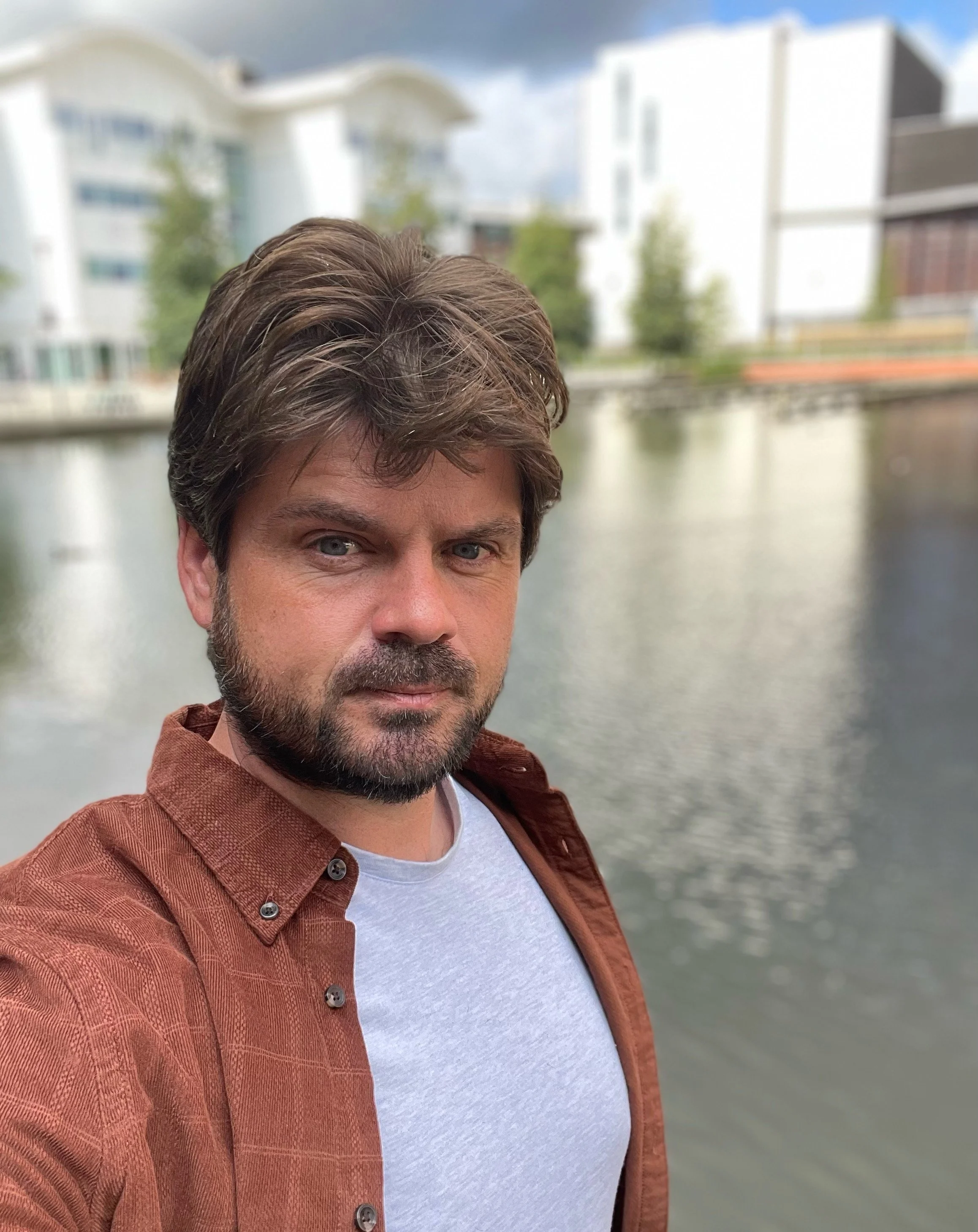
Toby was born in Aylesbury, Bucks and grew up in a thatched cottage in Whiteleaf, just outside Princes Risborough. He has always been surrounded by thatchers with his grandfather, father, uncles and cousins all practicing the craft during his lifetime. Outside of work Toby has a very keen interest in cars, mostly classics and modern classics, maintaining his own collection to concours standards. This is the level of perfection which he aims to show through into his thatching work.
Contact Toby for more information.